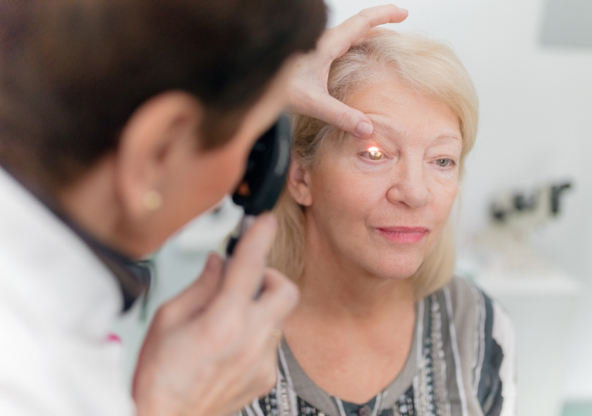
Signs and Symptoms of Diabetes

Monitoring your health starts with recognizing the subtle signals of diabetes, such as frequent urination, excessive thirst, blurry vision or slow-healing cuts. It is also important to watch for specific red flags like unexplained weight loss or tingling in your hands and feet, which can indicate your blood sugar needs attention.
To get a clear picture of your health, your doctor can use tests like the A1C, which measures your average blood sugar over three months, or a fasting glucose check. Knowing your numbers, such as an A1C below 5.6% or a fasting glucose under 100 mg/dL, is essential for early detection and effective management.
By staying alert to these symptoms and scheduling regular screenings, you are taking proactive steps toward a healthier, more balanced life.
Managing Diabetes
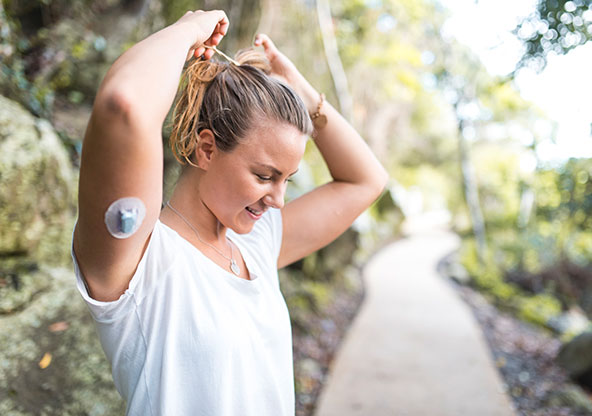
Physical activity is a powerful tool in managing diabetes. Regular exercise helps lower blood sugar levels, improve insulin sensitivity and support overall health. Whether it is a brisk walk, a dance class or gardening, staying active can make a meaningful difference in controlling your diabetes.
Aim for at least 30 minutes of moderate activity most days of the week. Start small if needed. Every step counts. Remember, consistency is key and finding an activity you enjoy makes it easier to stick with your routine.
Consult your healthcare provider before starting any new exercise program and take steps to monitor your blood sugar levels during and after activity.
Take control of your diabetes and your health. Get moving today!
Vaccinations

Have you had your COVID-19 vaccine or flu shot yet? Vaccines are essential in helping your body produce antibodies, which are proteins that help protect you from infections.
According to the Centers for Disease Control and Prevention, getting vaccinated not only helps protect your health but may also help reduce the spread of illnesses in your community. By getting your COVID-19 vaccine or flu shot, you can help protect people who may be more vulnerable, including older adults, young children and individuals with weakened immune systems.
For more information about vaccinations, contact your primary care clinician or visit your local pharmacy.